
What Hardware Can And Can’t Do
Soft Signal Episode 7.
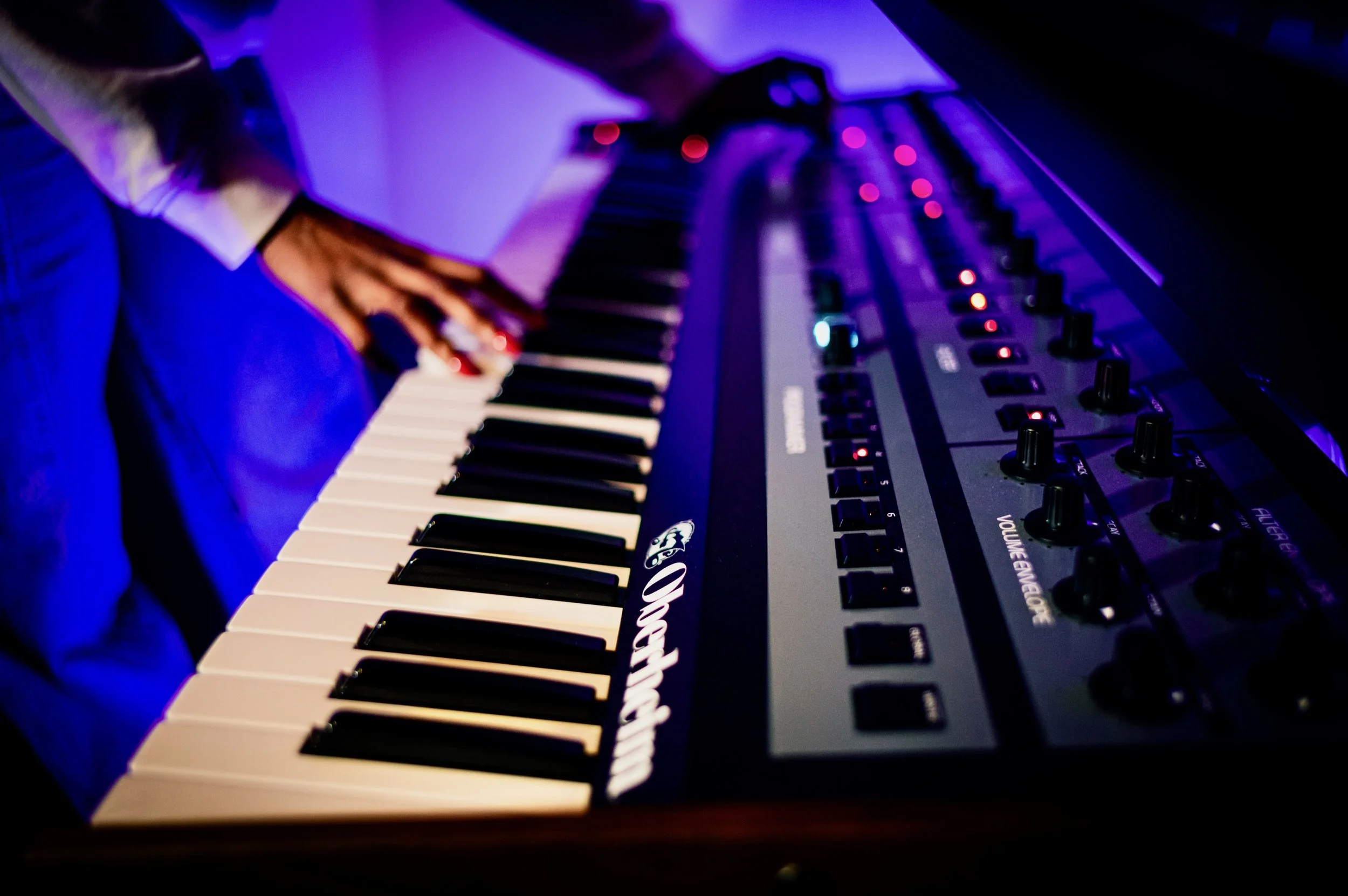
The sonic argument is basically over
The idea that hardware sounds better than software used to be a real debate. It's pretty much settled now. Blind tests have consistently shown that listeners, including experienced producers, struggle to tell well-recorded analog from quality digital emulations. Modeling technology caught up. The gap closed.
If hardware still had a clear sonic advantage, the conversation would be simple. It doesn't, and the conversation isn't.
What hardware actually does
The value is behavioral, not sonic.
Physical knobs and faders let you adjust multiple parameters at once without navigating menus. For some producers, that tactile interaction genuinely changes how they think about sound. Decisions happen faster, experiments happen in real time. For others, a well-mapped MIDI controller does the same thing and they don't notice a difference. Both are real experiences.
There's also a learning argument that doesn't get made enough. For some people, especially earlier on, hardware is genuinely easier to learn on. The interface is the instrument. Everything it does is visible and physical. No sub-menus, no hidden routing, no seventeen ways to do the same thing. Some producers who struggled to internalize concepts in a DAW found they clicked immediately on a piece of hardware, then brought that understanding back into software. That's a legitimate path, not a workaround.
Fixed signal paths reduce options. A specific synthesizer has specific capabilities. An outboard compressor does what it does. When software gives you fifty compressors and a thousand presets, some producers spend more time choosing than making. Hardware removes that. Whether that helps you depends on whether unlimited options currently serve your process or quietly work against it.
Hardware also commits you to sounds in a way software doesn't. Once you've recorded a synthesizer's output as audio, that's the sound. Changing it means re-recording. Software keeps everything open indefinitely, which serves revision and also enables endless revision without ever finishing. Which one describes your sessions more accurately matters more than which approach is theoretically better.
The patterns worth recognizing
Gear acquisition follows some pretty consistent patterns, and recognizing them in yourself is more useful than any buying guide.
One is capability attribution. You hear a producer you respect, notice what gear they're using, and the connection seems logical. But their music sounds the way it does because they developed skills over years. Buying the same tools transfers the tools. The skills stay where they are.
Another is treating a process problem like a tool problem. "If I had this compressor, my mixes would finally translate." Maybe. But mixes that don't translate usually have more to do with monitoring, with decision-making, with not knowing what to listen for. No purchase changes that. The compressor arrives, the mixes sound the same, and now there's a compressor.
Novelty is real but temporary. New gear does spark something. You explore, you get excited, you make things. Then familiarity sets in. If you're buying primarily for that spark, you're going to keep buying.
The question underneath the question
"Hardware or software" is usually the wrong frame. The more useful question is: what specific thing am I trying to solve, and does this actually solve it?
"Better sounds" is not specific. "Creating evolving pad textures with hands-on control during live performance" is specific. One of those has a real answer. The other one will send you browsing for a long time.
If you already own hardware, track how often it shows up in finished work. Not sessions. Finished work. A piece sitting unused for months isn't serving your process. That's information worth having.
If you're in the first year or two of producing, hardware rarely makes sense yet. Your time is better spent understanding fundamental concepts with whatever you already have. The producers who master their DAW's stock plugins will outperform the ones with every plugin library who never moved past presets. Same principle applies to hardware.
The artists who sound the way you want to sound got there by going deep on a small number of tools. That's almost never the exciting answer, but it's consistently the accurate one.
Prices are approximate and change. The "going deeper" tier assumes you've already spent real time with what you have.
Download the Before You Buy Anything reference card. Five questions, three patterns, and a software vs hardware summary on one printable sheet. Free."
Soft Synced
Before You Buy Anything
Five questions before any gear purchase
The questions
01
What specific problem am I trying to solve?
"Better sounds" is not specific. "Creating evolving pads with hands-on control during performance" is. Be precise before you spend anything.
02
Can my current setup solve this?
If yes, you don't need anything new. If no, confirm the new tool genuinely solves it, not just seems like it might.
03
Is this a tool problem or a skill problem?
Mixes that don't translate, tracks that don't finish. These are rarely gear problems. No purchase changes that.
04
How often does my existing hardware show up in finished work?
Not sessions where you turned it on. Finished work. A piece unused for months is telling you something.
05
Am I in my first two years?
If yes, focus on depth with what you already have. Hardware adds complexity before you know whether you'll benefit from it.
Patterns worth recognizing
Capability attribution
Buying gear associated with producers you admire transfers the tool. The skills stay where they are.
Novelty spike
New gear inspires temporarily. The spike fades. Depth is what renews over time.
Process problem
Attributing a workflow gap to a missing tool. The tool arrives. The problem stays.
At a glance
Software
Unlimited instances, low cost
Perfect recall, full portability
Sample-accurate automation
Endless option breadth
Hardware
Tactile, hands-on control
Fixed constraints reduce paralysis
Forces commitment to sounds
Holds resale value
•••
Click here to download this chart in print quality!